
少数言語と社会 Minority Languages and Their Recognition in Society
-

- 日本語
- English
-
ろう教育の歴史
ろう学校や特別支援学校は、聴覚障害児が手話言語を身につける大切な場です。しかしこれまで、ろう教育では、口を使ったコミュニケーション方法(=口話)を教えるか、手話を教えるかが争われてきました。その歴史は、手話の使用をめぐる戦いの歴史でもあります。現在では、手話言語の獲得は、言語能力を伸ばし、音声言語を第二言語として学ぶ基盤となることがわかっています。 -
History of Deaf Education
Deaf schools and special needs schools are important places for deaf children to acquire sign languages. However, until now, there has been a battle in Deaf education over whether to teach oral communication methods (i.e., oralism) or sign language. Its history is also a history of battles over the use of sign languages. Today, it is widely accepted that the acquisition of a sign language as one’s first language provides a solid foundation for developing language skills and for learning a spoken language as a second language.
手話使用の禁止(1) Prohibition of the Use of Sign Language (1)
- 23_1.webm
イタリア・ミラノ会議での口話主義を推進する決議の採択は、世界各地のろう学校での教育方針に影響を与えました。手話を使用しないよう、生徒たちは腕を組むなどして授業を聞くよう指示されました。
The adoption of a resolution promoting oralism at the Milan Conference in Italy influenced educational policies in Deaf schools around the world. To hinder the use of sign language, students were instructed to listen to lessons keeping their arms crossed.
手話使用の禁止(2) Signing Prohibited at Schools
- 27_1.webm
口話教育の推奨は、同時に手話使用の禁止を意味しており、学校では、手を縛ったりする場面がありました。お遊戯会では、互いに手をつなぐように指示されることもありました。
(1967年ごろ、岡山聾学校幼稚部)The encouragement of oral education meant at the same time the prohibition of the use of sign language, and there were occasions in school when hands were tied. At playgrounds, children were sometimes instructed to hold hands with each other.
(around 1967, Okayama Deaf School Kindergarden)
口話法:発音を視覚で学ぶ(1) Oral Method: Learning Pronunciation by Sight (1)
- 24_1.webm
口話教育時代のろう学校の一風景。鏡をみながら口の形を模倣し舌の位置を安定させる練習をしました。
A scene from a school for the deaf during the era of oral language education. The students practiced to stabilize the position of the tongue by imitating the shape of the mouth while looking in the mirror.
口話法:発音を視覚で学ぶ(2) Oral Method: Learning Pronunciation by Sight (2)
- 26_1.webm
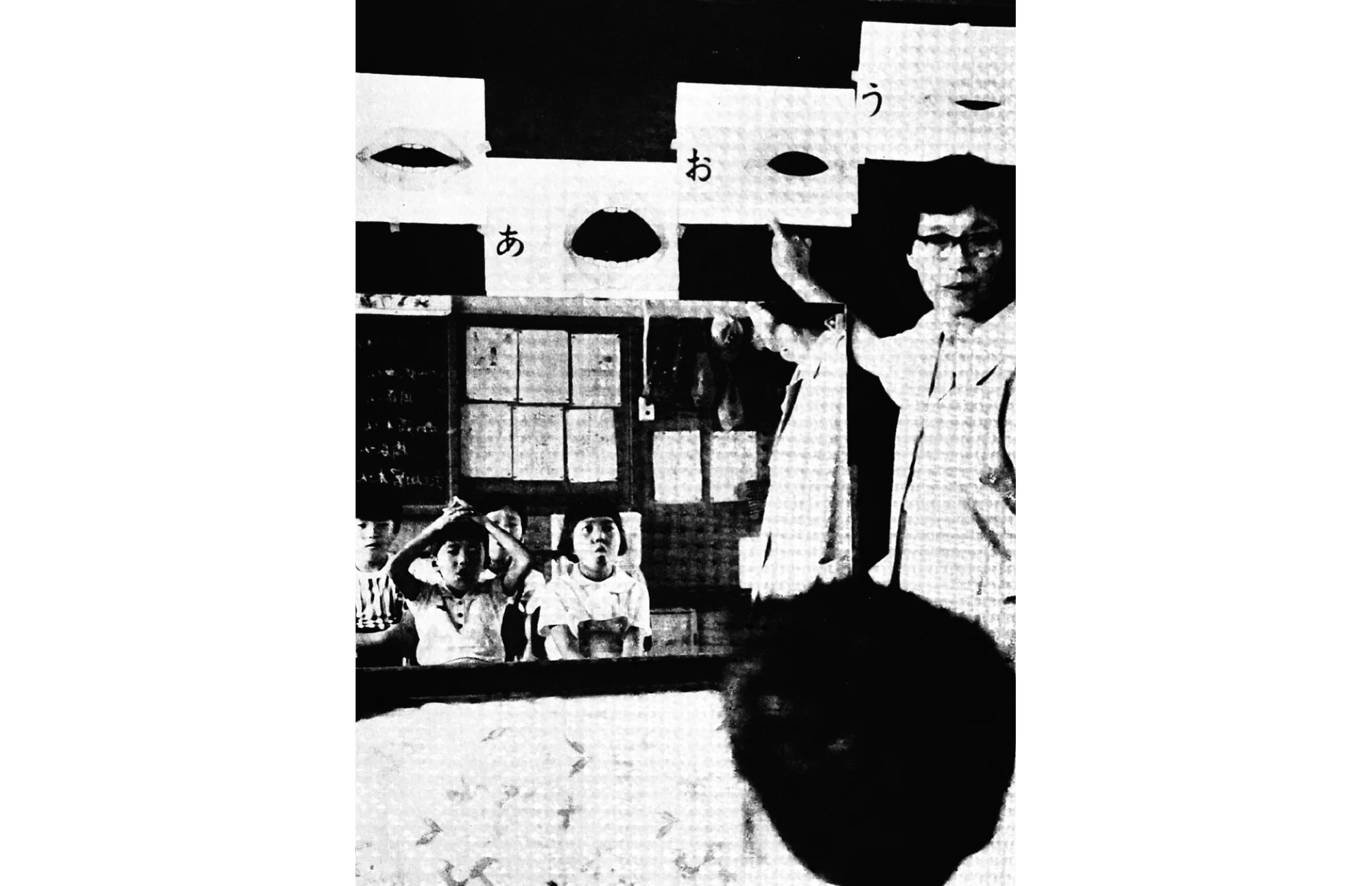
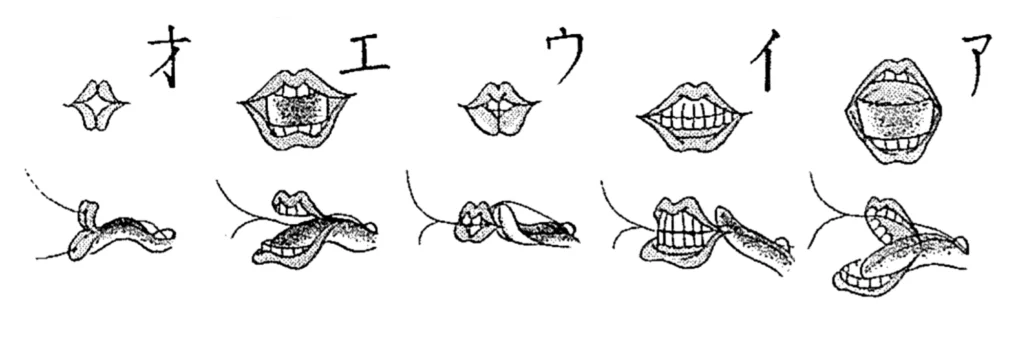
「アイウエオ」の口の形。ある程度の発音ができるようになった人もいましたが、大変難しく非常な努力が必要で、誰にでもできることではありませんでした。
The mouth shape of “a” “i” “u” “e” “o”. Some people were able to pronounce the sounds to a certain degree, but it was very difficult and required a great deal of effort, and it was not for everyone.
言語使用の禁止 Prohibition of Language Use
- 25_1.webm
学校での言語の禁止は、歴史上、珍しくありません。フランスや日本では標準語の推奨にともない方言が、イギリスのウェールズ州では英語の推奨にともないウェールズ語が禁止されました。ろう学校では、口話教育の推奨により手話の使用が禁止されましたが、このことは、ほとんどの聴覚障害児にとって唯一の手話言語の継承の場がなくなることを意味しており、言語習得の場が失われるという点でより深刻でした。
Language bans at school are not uncommon throughout history. In France and Japan, speaking dialects were prohibited in favor of the standard variety, and in Wales, England, Welsh was banned in favor of English. The use of sign language was prohibited at schools for the deaf in favor of oral education. This meant the elimination of the only place for most deaf children to acquire a sign language, and that the deaf children would loose opportunities to develop their language foundation.
トータルコミュニケーションとは? What is Total Communication?
- 28_1.webm
トータルコミュニケーションとは、聴覚障害者を含むコミュニケーションにおいて、環境や話題、聴覚条件に応じて最適な方法を組合せて使うことで、伝達効果を最大限にしようという考え方です。そのためには、以下のすべての準備が必要になり、その意味で「トータル(すべての)」という語が用いられます。
● 残された聴力を活かす聴能
● 口話法
● 手話や指文字
● 口話と手指を組合せたキュード・スピーチ
● 筆談、空書などTotal communication is the concept of maximizing the effectiveness of communication of people with hearing disabilities by using a combination of methods that are best suited to the environment, topic, and hearing conditions. To achieve this, all of the following preparations are necessary, and the word “total” is used in this sense.
● Auditory skills to make the best use of the remaining hearing ability
● oral method
● Sign language and finger writing
● Cued speech, which combines oral speech and hand signals
● Written communication, blank writing, etc.
木村晴美氏映像
-
手話翻訳動画はありません
No sign language translation videos
教育の現場における手話使用 Sign language use in education
- 29_1.webm
現在では、初等教育から手話言語を使うことで言語力が伸びることがわかっています。アメリカのギャローデット大学のように、手話で教育を受け研究ができる高等機関には、世界各国からろう聴問わず、研究者が集まります。言語学の分野でも、手話が研究対象に積極的に組み込まれるようになってきています。
It is now known that language skills can be improved by using sign language from primary education. Institutions of higher education, such as Gallaudet University in the U.S., where education and research can be conducted in sign language, attract researchers from all over the world, deaf and hearing alike.Sign languages are now being actively incorporated into research subjects in the field of linguistics.

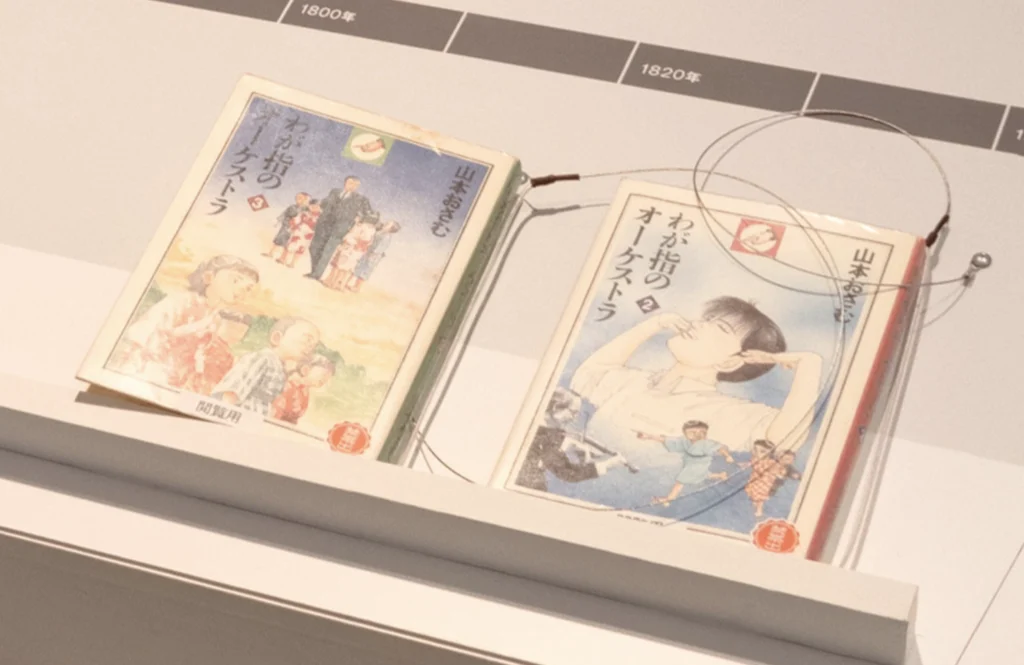
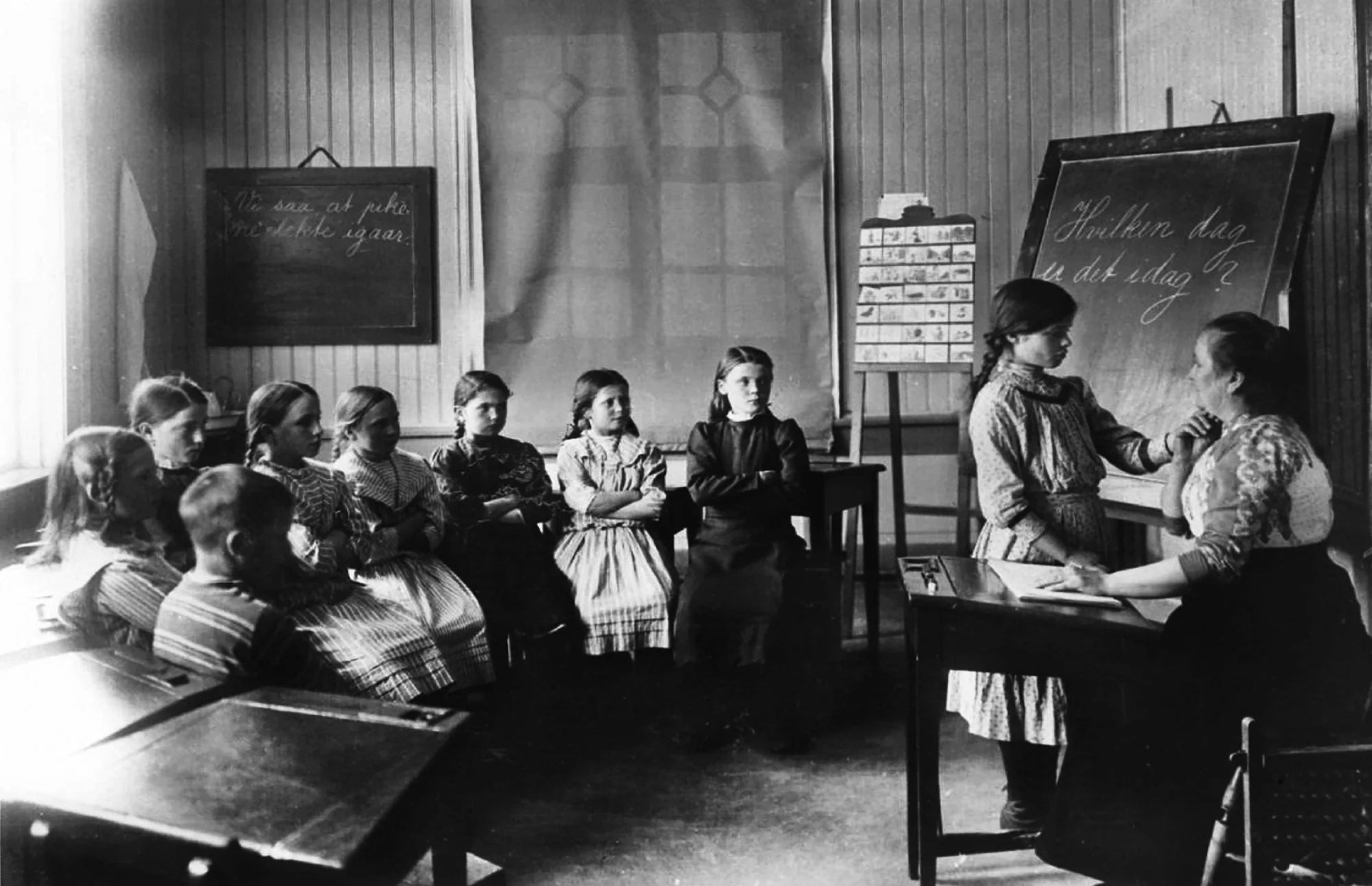

Photo provided by Yamamoto Naohiro
写真・情報提供:社会福祉法人全国手話研修センター手話総合資料室
prepared by Japan National Center of Sign Language Education
cited from Wagayubino Ookesutora (Akita Publishing), Vol. 2, p. 118
©山本おさむ/小学館
協力:(一財)全日本ろうあ連盟
Contributed by Japanese Federation of the Deaf

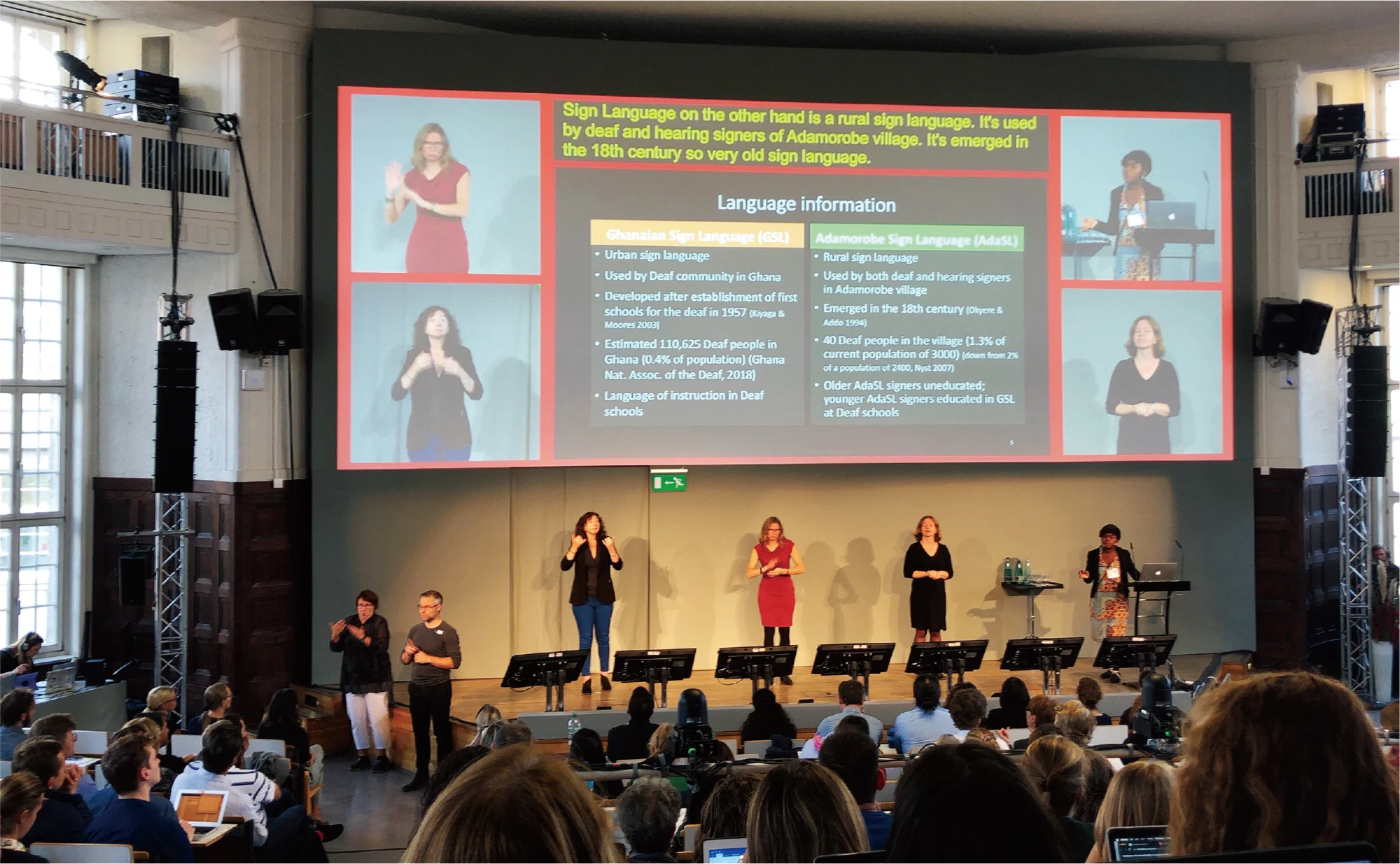
September 2019 A view of the 13th International Conference on Theoretical Issues in Sign Language Research (University of Hamburg). Interpreters of German Sign Language, American Sign Language and International Sign Language are in front. The 14th conference is scheduled to be held at Minpaku in September 2022.
協力:佐野文哉、(一財)全日本ろうあ連盟、テレジア・ホーファー、池田ますみ、磯部大吾、重田千輝
Contributed by Sano Fumiya, Japanese Federation of the Deaf, Theresia Hofer, Ikeda Masumi, Isobe Daigo, Shigeta Kazuki