
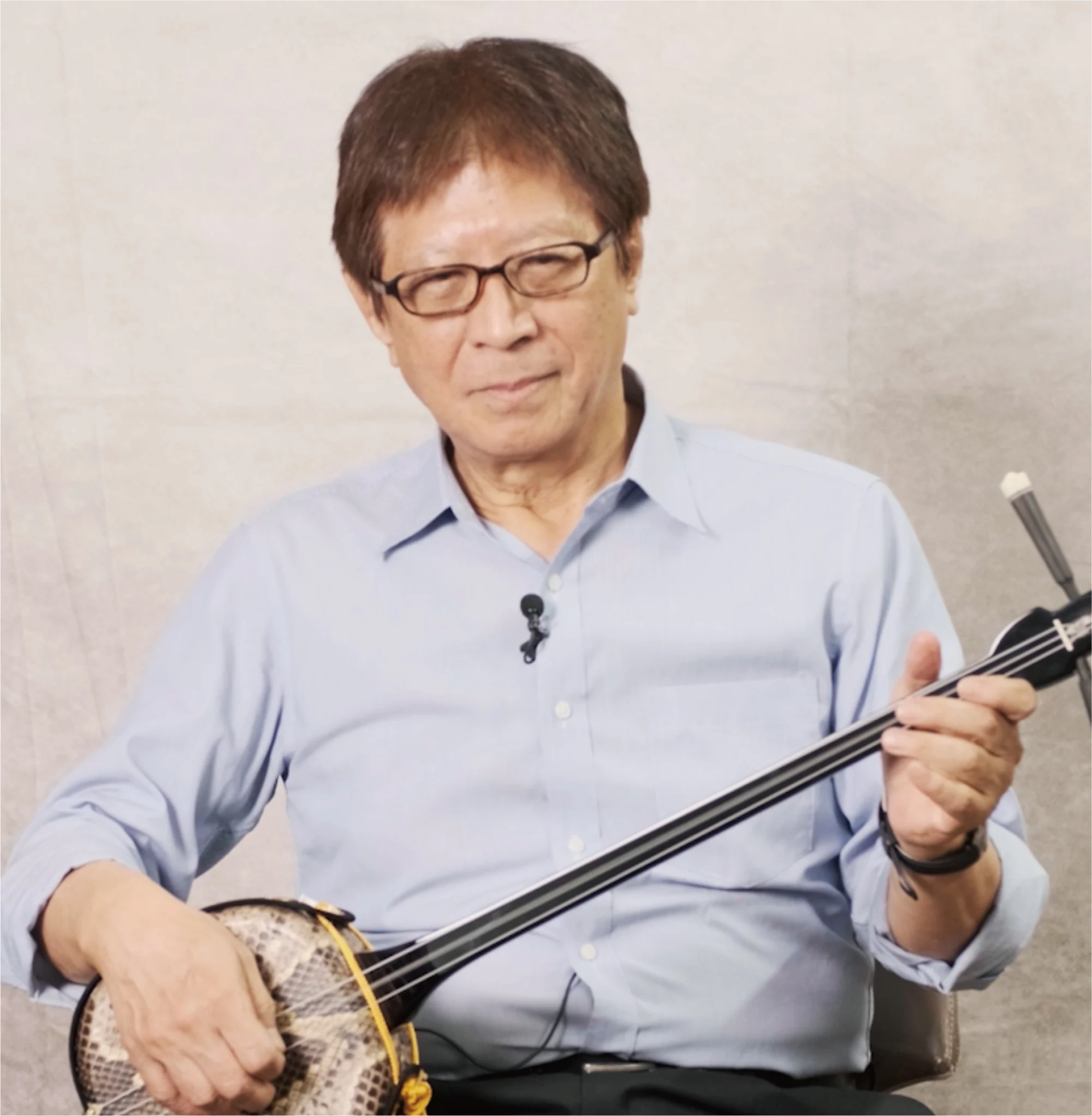
 屋嘉 宗彦(やか むねひこ)さん 《わたしの言語ヒストリー》
YAKA Munehiko 《Me and My Language》
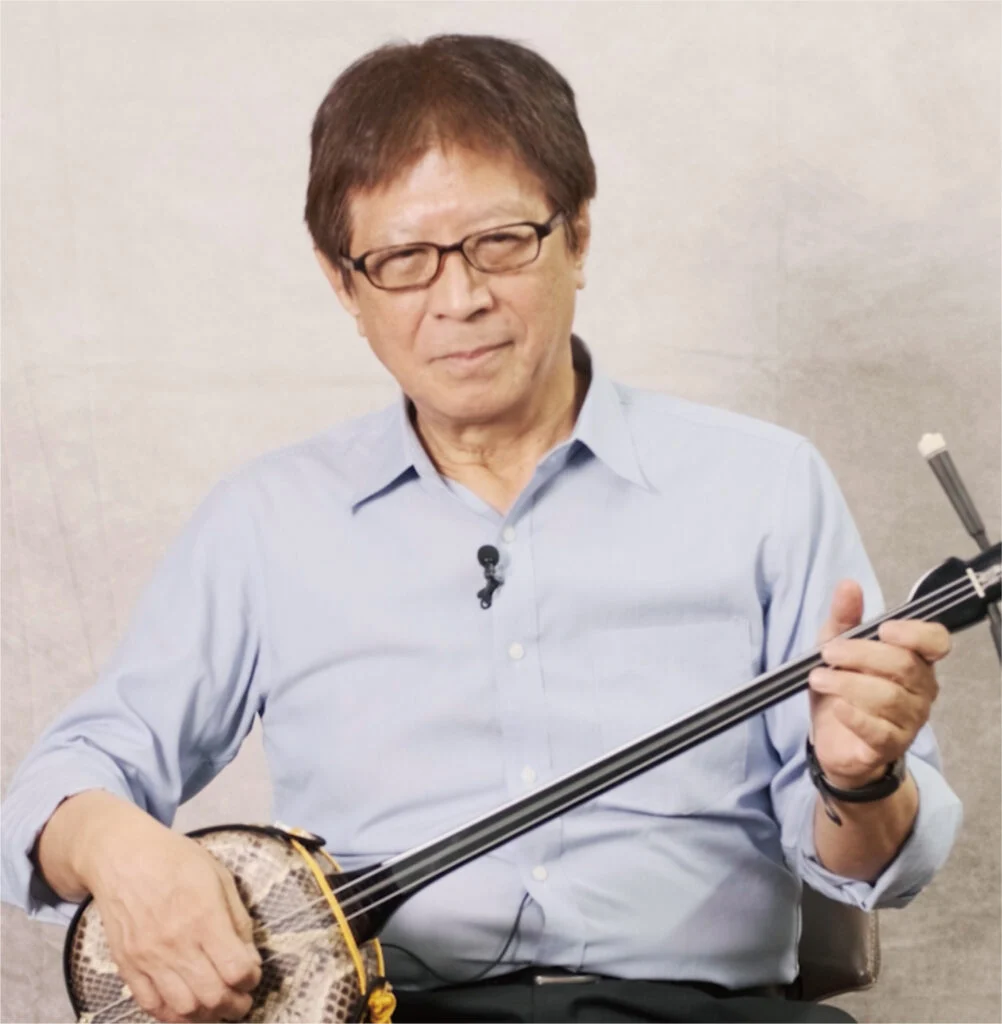
屋嘉 宗彦(やか むねひこ)さん 《わたしの言語ヒストリー》
YAKA Munehiko 《Me and My Language》
-

- 日本語
- English
-
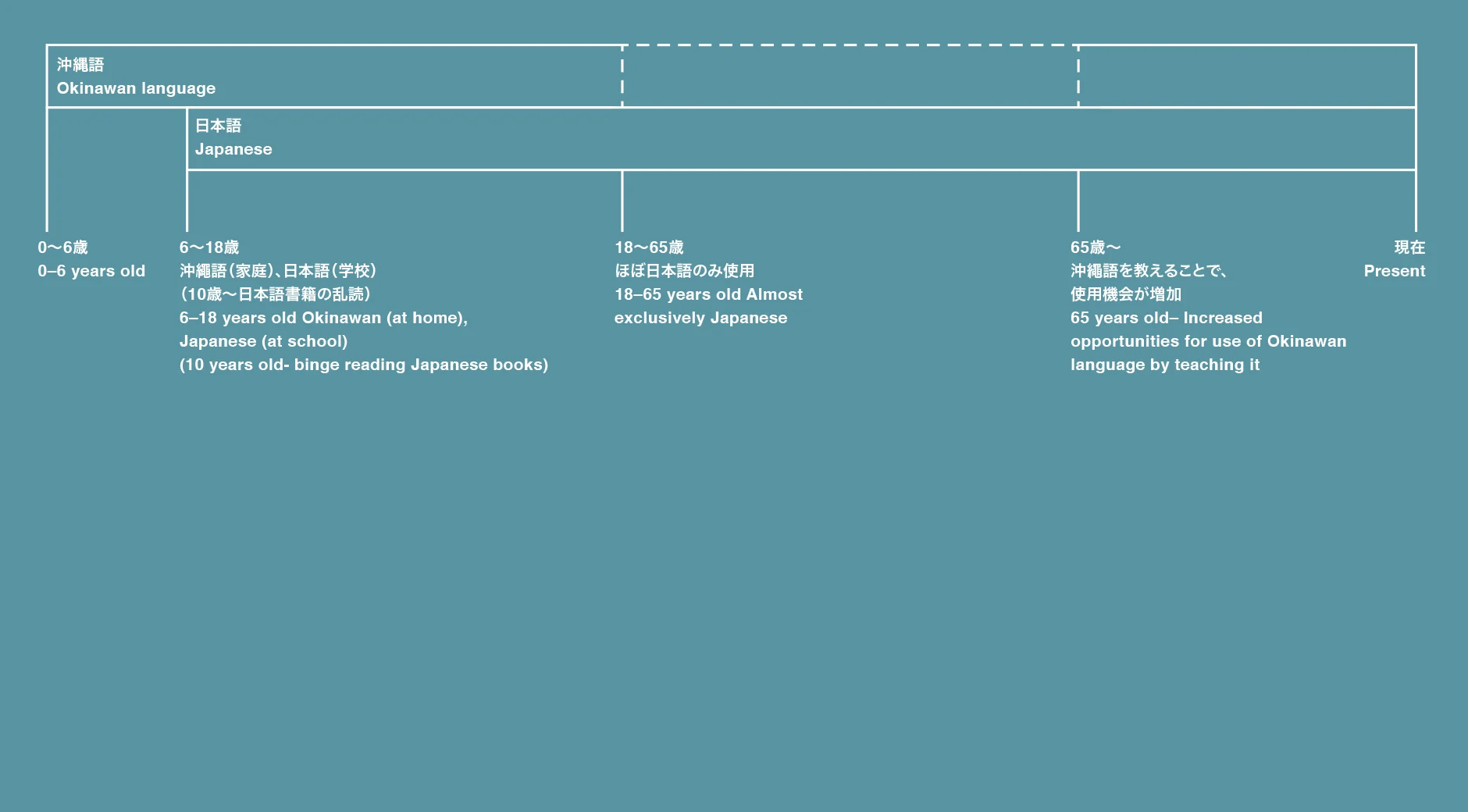
小学校入学まで、ほぼすべて沖繩語だけの環境で育った。高校卒業まで、学校で日本語、家庭では沖繩語の生活だった。小学校2年生頃から日本語の本の乱読が始まった。大学以降、沖繩語はごくたまに使うだけだったが、65歳頃から沖繩語を教える機会が増えた。
-
I grew up speaking only Okinawan until I entered elementary school. Until high school graduation, I used Japanese at school and Okinawan at home. I began binge-reading books in Japanese around the time I was in the second grade of elementary school. After college, I used Okinawan only occasionally, but after my retirement, from the age of 65, opportunities to teach Okinawan started to increase.
閉じる
閉じる
Close
- ダウン症など
Down’s Syndrome and Other Intellectual Disabilities - 自閉スペクトラム症
Autism Spectrum Disorder - 脳性まひ
Cerebral Palsy - 失語症
Aphasia - 構音器官の損傷
Articulatory Damage - 受容器官の損傷
Damage to Receptor Organs - 学習障害と発達性ディスレクシア
Learning Disabilities and Developmental Dyslexia
Close